What is Shonoki? The history and highlights of the “Shonoki Festival,” which has continued since the Edo period!
2026.04.19
2026.04.19
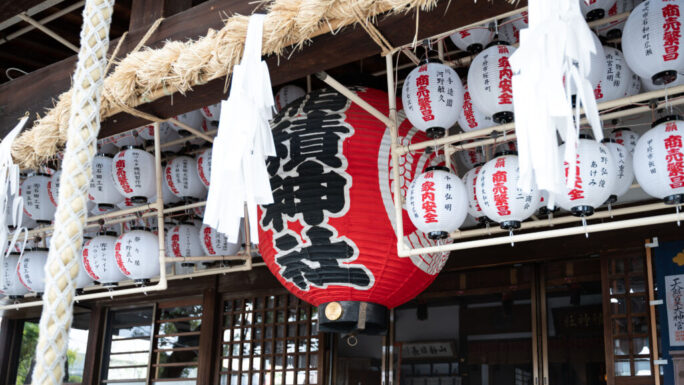
The “Shonoki Festival,” which heralds the beginning of early summer in Kofu, is approaching once again! This time, we’ll introduce everything from basic information such as the date and location of the Shonoki Festival to how to enjoy the famous plant market and the more than 200 food stalls. We’ve also compiled information on the festival’s history, blessings, limited edition goshuin (temple/shrine stamps), access methods and precautions for the day. In addition, we’ll introduce the highlights and ways to enjoy the festival.
What is the Shonoki Festival, affectionately known as “Shonoki-san”?
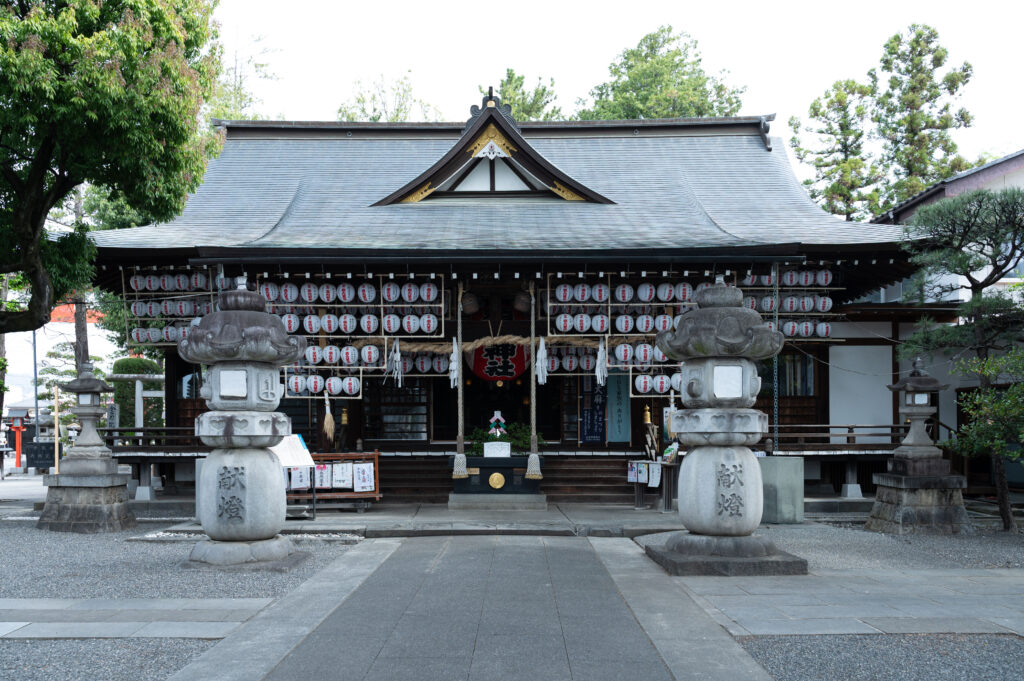
The Shonoki Festival, held every May in Kofu City, Yamanashi Prefecture, is a beloved local festival affectionately known as “Shonoki-san” and is the annual grand festival of Inazumi Shrine. This historic festival, which dates back to the Edo period, attracts many visitors. This article provides an overview of the festival and information about its dates.
A major festival that signals the arrival of early summer in Kofu, Yamanashi.
The Shonoki Festival is one of the “Three Great Festivals of Kofu,” alongside the “Oogami-san” and “Yakujizo-san” festivals. It has long been a beloved local event, marking the arrival of early summer in the Kofu Basin. Its origins date back to the Edo period. In early May, when it was time to plant seeds and seedlings, farmers would flock to the festival to buy them, creating such a lively scene that large sums of money changed hands, hence the name “Senryo Festival” (meaning “planting festival”). Starting as a festival to honor the god of agriculture, it has now developed into one of the largest and most bustling festivals in the prefecture, featuring a plant market and numerous stalls.
Date and location of the Shonoki Festival
The dates and location of the Shonoki Festival are as follows, and it is held on the same dates and in the same location every year. When you go out, traffic restrictions may be in place in the surrounding area, so it is recommended to use public transportation.
| project | content |
|---|---|
| Date | Four days from May 2nd (Sat) to May 5th (Tue/Holiday), 2026 |
| Venue | Inazumi Shrine and the surrounding area of Yuki Park |
| address | 10-2 Ota-cho, Kofu City, Yamanashi Prefecture |
Main attractions of the Shonoki Festival
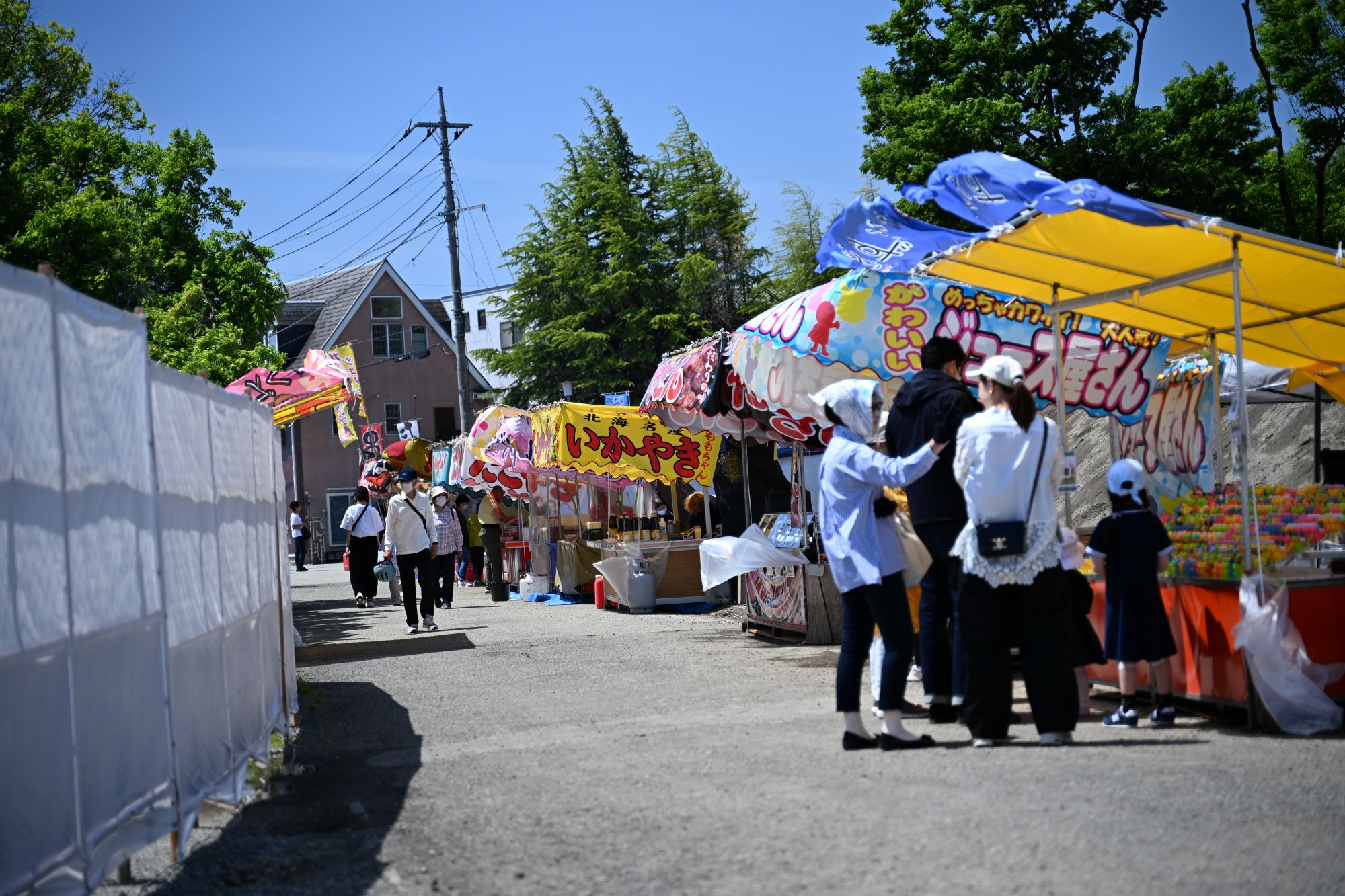
Here, we’ll introduce the main highlights of the Shonoki Festival that we hope you’ll enjoy when you visit. The plaza in Yukame Park is lined with numerous food stalls! Experience the lively atmosphere that once made the festival known as the “Senryo Festival.”
How to enjoy the famous “Plant Market”
One of the defining features of the Shonoki Festival is the “Plant Market” that lines the temple grounds. It is said to have originated around the 88th day after the beginning of spring, when farmers would exchange and buy vegetable seedlings and seeds. Now, with the gardening boom, a wide variety of plants are on display, from colorful flowers and bonsai to wild plants, garden trees, and vegetable seedlings, making it a soothing sight to behold. One of the unique pleasures of this plant market is finding your favorite pot while chatting with the vendors about how to care for your plants.
A street lined with over 200 food stalls.
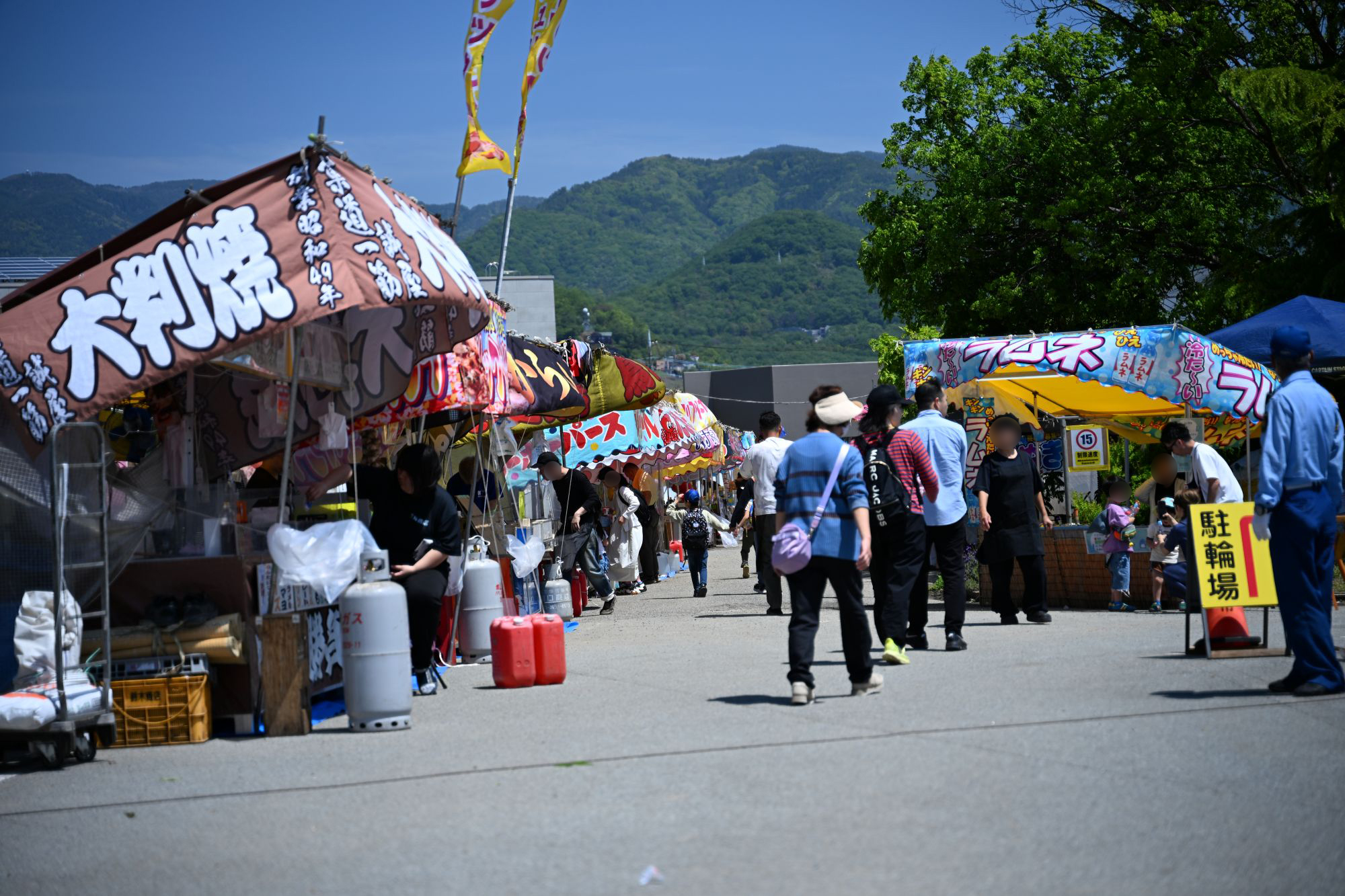
Around Inazumi Shrine, over 200 food stalls line the streets, creating a festive atmosphere. You can enjoy classic festival foods like takoyaki, okonomiyaki, and candied apples, as well as traditional games like shooting galleries and goldfish scooping. Sometimes, Ise’s famous “Akabuku” sweets are sold, making it a lively event every year. Even just strolling around with family and friends, discussing what to eat, will create wonderful memories.
Events that add color to the festival
During the festival, various events are held, making the area even more lively. From solemn Shinto rituals to activities that children can enjoy, there are plenty of things to see and do.
The content may vary from year to year, but the following events have been held in the past.
| Event Name | Main contents |
|---|---|
| Portable shrine procession | The portable shrine is paraded through the streets, and the festival reaches its peak of excitement. |
| Street performances and monkey shows | Performances to entertain visitors will be held in various locations within the temple grounds. |
| Children’s Sumo | It’s a heartwarming event where children energetically participate in sumo wrestling. |
| Various dedicatory performances | You can experience local traditional culture, such as a performance of Kofu Hayashi music. |
These events are held in conjunction with the festival dates. In particular, the procession of the portable shrine, which takes place on the 3rd, the day of the main festival, is one of the highlights.
Tourist spots you’ll want to enjoy along with the Shonoki Festival!
The city of Kofu is bustling with activity during the Shonoki Festival. If you’re visiting, why not extend your trip beyond the festival and explore some of the surrounding tourist attractions? We’ll introduce some recommended spots to visit, including historical sites and scenic natural landscapes that you can enjoy together.
Koshu Yumekoji
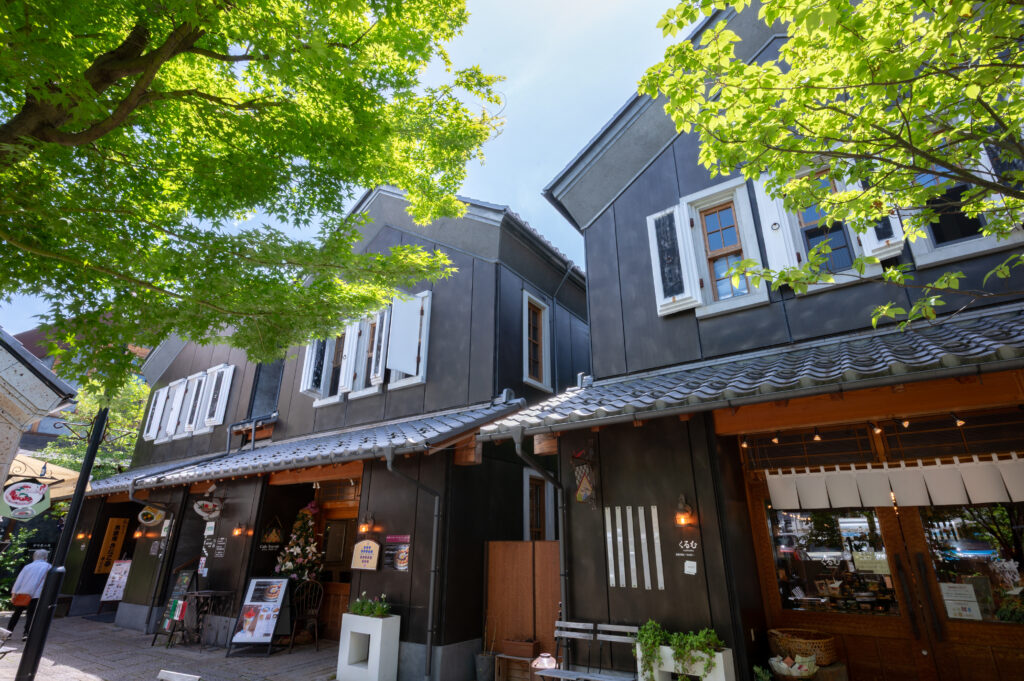
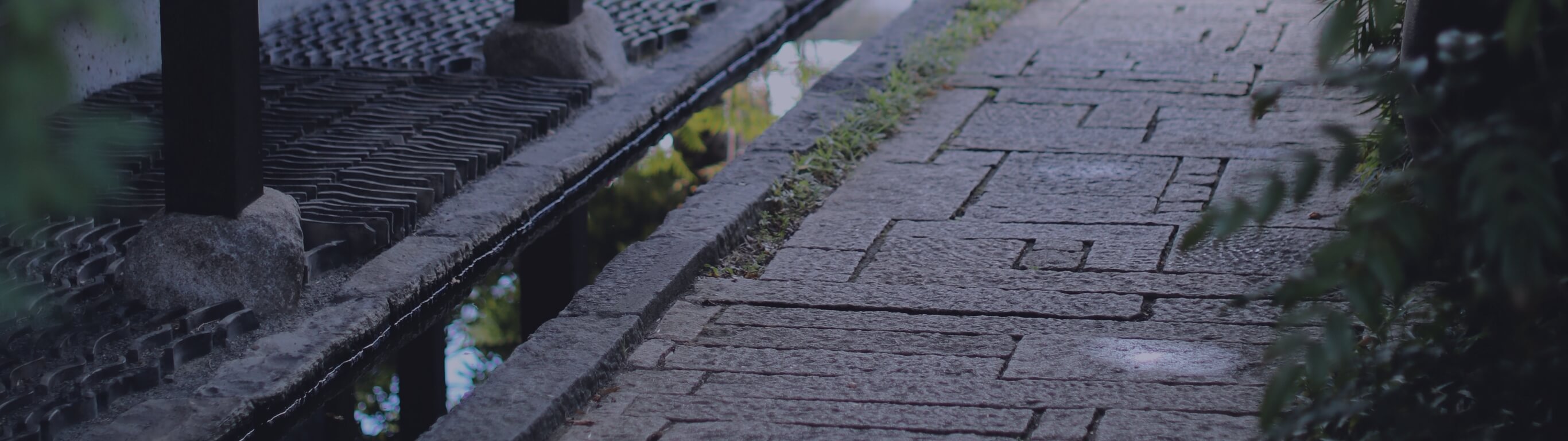
Koshu Yume Koji is a charming area located right next to the north exit of Kofu Station, recreating the castle town of Kofu from the Meiji to early Showa periods. Walking along the cobblestone alleys feels like stepping back in time. The area is lined with shops selling traditional Yamanashi crafts, restaurants using local ingredients, and small art museums, making it a place where you can experience the charm of Yamanashi all at once. It’s also close to the site of the Shonoki Festival, making it perfect for a short stroll, a break, or souvenir shopping.
| project | content |
|---|---|
| location | 1-1-25 Marunouchi, Kofu City, Yamanashi Prefecture |
| access | Approximately 3 minutes on foot from the north exit of JR Kofu Station. |
SADOYA Winery
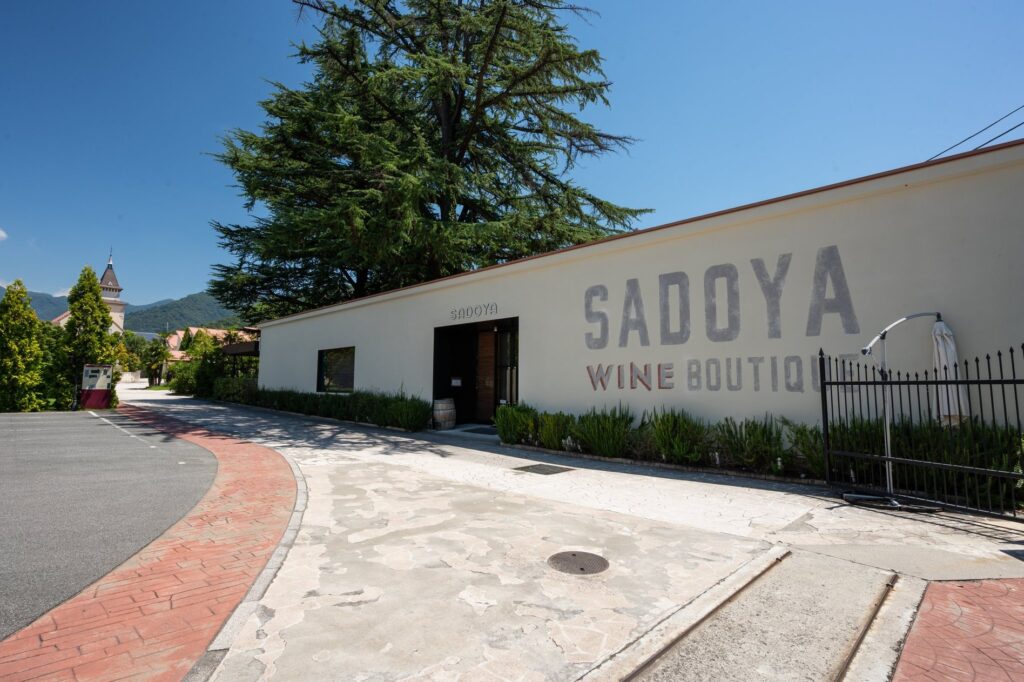
This historic winery, founded in 1917, is located just a short walk from Kofu Station. Its stylish building, reminiscent of a European tropical resort, is a landmark. With a reservation, you can even tour the historic underground wine cellar. Wine lovers will appreciate it, but they also offer delicious grape juice, so everyone can enjoy themselves. Why not find your favorite bottle as a memento of the festival?
| project | content |
|---|---|
| location | 3-3-24 Kitaguchi, Kofu City, Yamanashi Prefecture |
| access | Approximately 5 minutes on foot from the north exit of JR Kofu Station. |
| Official website | SADOYA Winery |
Maizuru Castle Park (Kofu Castle Ruins)
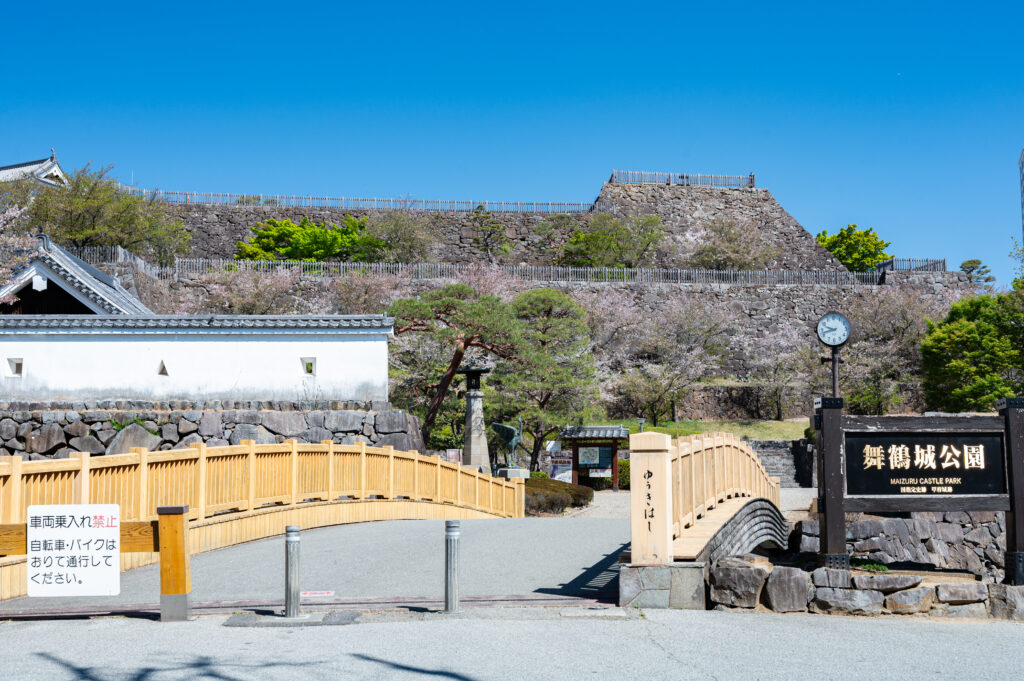
The site where Kofu Castle once stood is now a nationally designated historical site and a park, serving as a place of relaxation for people. Built by order of Toyotomi Hideyoshi, the castle’s magnificent stone walls still convey the atmosphere of that time. Visitors can freely stroll through the park, and from the castle tower base, they can enjoy views of Kofu city and Mount Fuji. It’s a recommended spot to stop by before a festival and spend some time relaxing while soaking up the history of Kofu.
| project | content |
|---|---|
| location | 1-5-4 Marunouchi, Kofu City, Yamanashi Prefecture |
| access | Approximately 3 minutes on foot from the South Exit of JR Kofu Station |
| Official website | Kofu City Tourism Division |
Koedo Kofu Hanakoji
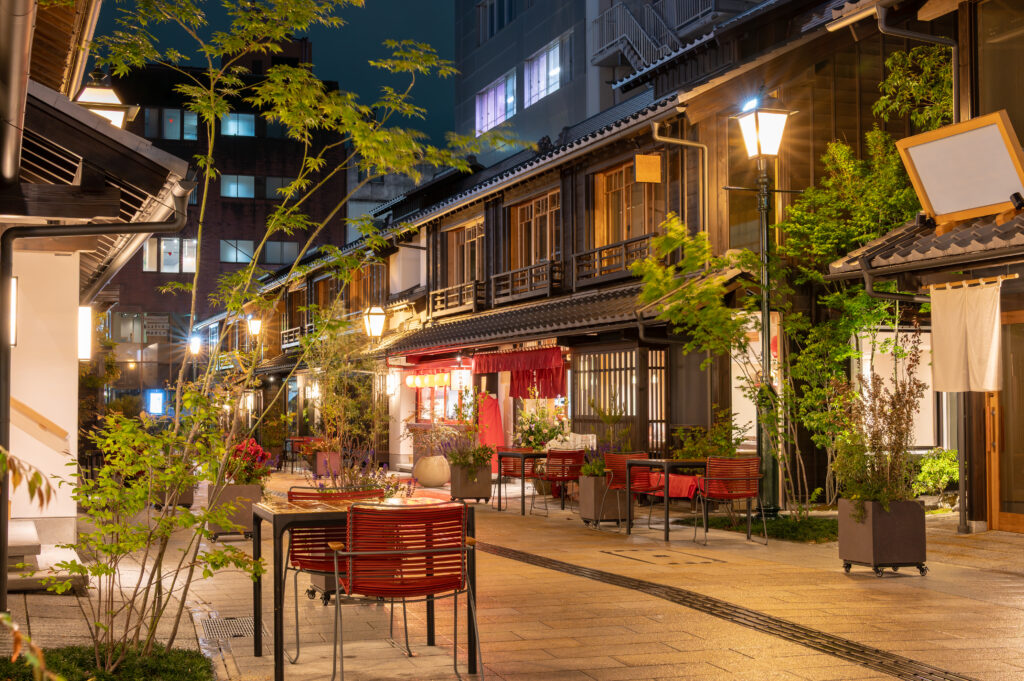
This charming area recreates the lively atmosphere of Kofu during its heyday as “Little Edo.” Traditional townhouses line the cobblestone streets, and at night, lanterns light up the area, creating a magical ambiance. It’s enjoyable just to stroll around, but there are also many unique restaurants, making it a great place to relax and enjoy a meal or drinks after the Shonoki Festival.
| project | content |
|---|---|
| location | 1-11-6 Chuo, Kofu City, Yamanashi Prefecture |
| access | Approximately 10 minutes on foot from the south exit of JR Kofu Station. |
| Official website | Koedo Kofu Hanakoji |
Kikyoya Kofu Main Branch
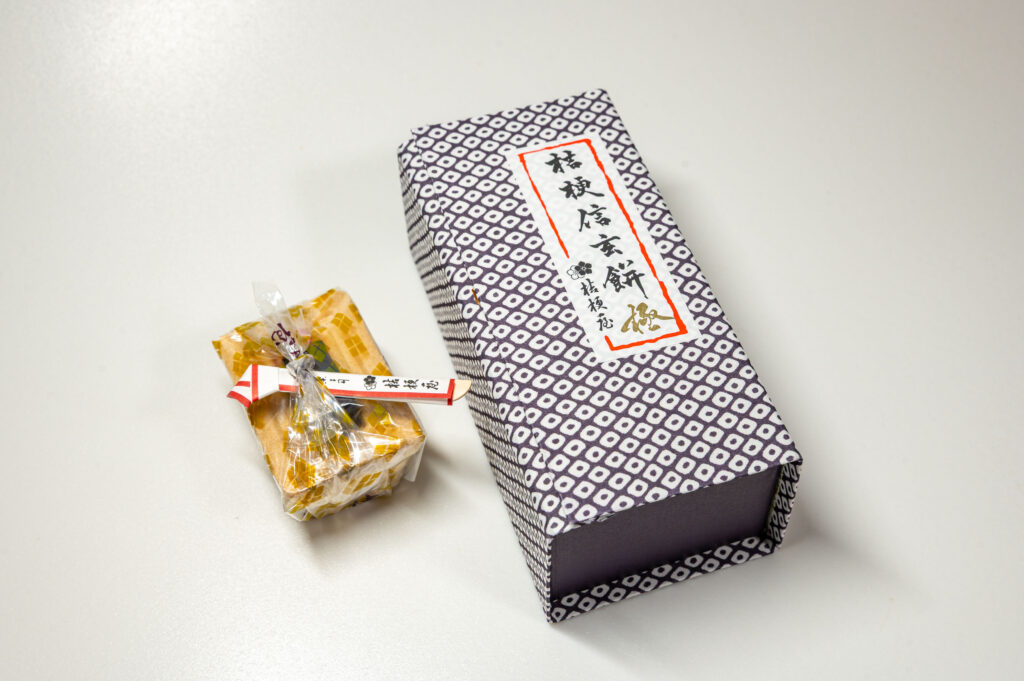
This is the main building of Kikyoya, famous for its Yamanashi specialty, Shingen Mochi. It’s within walking distance of the Shonoki Festival venue, and on the first floor you can enjoy choosing souvenirs, while on the second floor there is an exhibition of materials related to Kikyoya’s history and confectionery making, which you can look around at at your leisure. In addition, there is a cafe gallery attached, which is an attractive place to relax and enjoy Japanese sweets.
| project | content |
|---|---|
| location | 1-3-11 Aonuma, Kofu City, Yamanashi Prefecture |
| access | Approximately 25 minutes on foot from the south exit of JR Kofu Station. |
| Official website | Kikyoya Kofu Main Branch |
Regarding the limited edition Goshuin (temple/shrine stamp) available at the Shonoki Festival
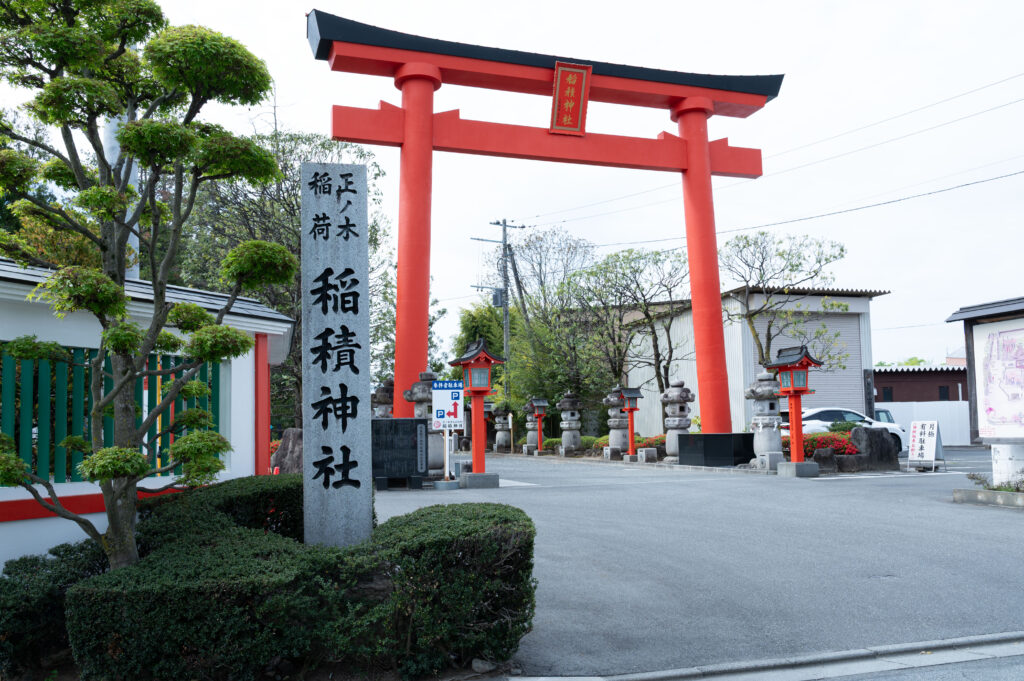
This section explains the special goshuin (temple/shrine stamp) that can only be obtained during the Shonoki Festival. Why not get one of these limited-edition goshuin as a memento of your visit to the festival, or to pray for good fortune?
Places and times when you can get a Goshuin (temple/shrine stamp).
The limited-edition goshuin (temple/shrine stamp) for the Shonoki Festival will be available at the shrine office of Inazumi Shrine, the festival venue. A special design goshuin will be available each year during the festival period from May 2nd to May 5th. Details are as follows.
| project | detailed |
|---|---|
| Place of award | Inazumi Shrine Office |
| Award period | Four days from May 2nd (Sat) to May 5th (Tue/Holiday), 2026 |
| Reception hours | 9:00~17:00 |
| Offering fee | From 500 yen (prices vary depending on the type) |
Please note that Goshuin (temple/shrine stamps) may be provided as pre-printed stamps. Also, since crowds are expected during the festival period, it is recommended to visit with plenty of time to spare. When receiving a Goshuin, please bring your own Goshuincho (stamp book). In some years, Goshuincho with a limited-edition design for the Shonoki Festival are distributed, so please check with the shrine office.
An explanation of the history and blessings of the Shonoki Festival.
Here, we will explain the long history and blessings you can receive from this festival, affectionately known as “Shonoki-san” by many people.
The origin of the festival that has continued since the Edo period
The Shonoki Festival, the annual grand festival held at Inazumi Shrine in Kofu, is a historic festival that has continued since the Edo period. Originally, it was held in early May to coincide with the start of farming work and was a bustling market where farmers gathered to buy seedlings and seeds. Eventually, it became so lively that the amount of money traded reached the scale of 1,000 ryo, and it came to be called the “Senryo Festival” (1,000 ryo). With this background, it took root as an event that embodies gratitude to the god of agriculture and prayers for a bountiful harvest, and while changing its form over time, it has developed into the lively festival that marks the arrival of early summer, with a plant market and many food stalls.
Inazumi Shrine, which is believed to bring good fortune in business.
The festival takes place at Inazumi Shrine, also known as Shonoki Inari Daimyojin. Known as the most important Inari shrine in the prefecture, it has been enshrined in Kofu since ancient times, watching over the lives of the people. The main deities and their blessings are summarized in the table below.
| Deity enshrined | Main benefits |
|---|---|
| Ukanomitama no Okami | Business prosperity, abundant harvests, and industrial growth. |
| Omiyanome no Okami | Protection for agriculture, warding off evil and bringing good fortune, healing from illness |
Thus, Inazumi Shrine is a very auspicious shrine that, as the guardian deity of daily life who presides over clothing, food, and shelter, bestows various blessings related to our lives, including business prosperity, abundant harvests, family safety, and protection from evil.
Access to and important points regarding the Shonoki Festival
This section explains transportation options for attending the Shonoki Festival and important points to note if you are traveling by car. The area around the festival venue will be extremely crowded on the day of the festival, so it is recommended to allow plenty of time for your journey.
How to get there by public transport
Due to anticipated congestion around the venue, we recommend using public transportation such as trains and buses. The nearest station is Minami-Kofu Station on the JR Minobu Line.
If you are using the train
It takes about 20 minutes to walk from JR Minobu Line’s Minami-Kofu Station to the venue, Inazumi Shrine. There is a flow of people heading to the festival along the way from the station, so you can enjoy the town scenery as you walk.
If you are using the bus
If you plan to use the bus, you can take a Yamanashi Kotsu bus from the bus stop at the south exit of Kofu Station on the JR Chuo Main Line. Using a bus stop near the venue will shorten your walking time. However, during the festival period, buses will be rerouted due to traffic restrictions, so it’s best to check the Yamanashi Kotsu official website or other sources for bus schedules in advance.
| boarding bus stop | Disembarking bus stop *Due to detour | Estimated time required |
|---|---|---|
| Kofu Station South Exit Bus Terminal | Ise 1-chome or Aioi 3-chome | Approximately 15 minutes |
After getting off at “Ise 1-chome” or “Aioi 3-chome,” it’s about a 10-minute walk to the area around Yuki Park.
Parking and traffic restrictions for those traveling by car
If you are coming by car, please pay attention to traffic restrictions and parking information. Due to anticipated traffic congestion, please also consider using public transportation.
About parking
During the Shonoki Festival, temporary parking lots and bicycle parking areas will be set up in the surrounding area.
The available parking locations will vary depending on the day. On Saturday the 2nd, only the Community Center will be open , while on Sunday the 3rd, Monday the 4th (public holiday), and Tuesday the 5th (public holiday), multiple venues will be open. On all days, the operating hours are from 10:00 to 18:00, with the last entry at 17:00 (except on the 5th, when the last entry is at 16:00).
Please note that bicycle parking areas are available on the grounds of each venue; please follow the instructions provided at the venue.
Parking Information
| schedule | Utilizing time | parking |
|---|---|---|
| May 2 (Saturday) | 10:00〜18:00 | Community Center |
| Sunday, May 3rd | 10:00〜18:00 | Yuda Elementary School, Kai Seiwa High School, Community Center, Rissho Kosei-kai Kofu Church |
| May 4th (Monday/Holiday) | 10:00〜18:00 | Yuda Elementary School, Kai Seiwa High School, Community Center, Rissho Kosei-kai Kofu Church |
| May 5th (Fire/Holiday) | 10:00〜18:00 | Yuda Elementary School, Kai Seiwa High School, Community Center, Rissho Kosei-kai Kofu Church |
Regarding traffic restrictions
Traffic restrictions will be in place on roads around Inazumi Shrine (including Yuki-dori) from May 3rd to 5th, when the festival is held. There will be sections of road that will be closed to vehicles at certain times, making it difficult to get close by car.
| Regulation period | Restricted hours |
|---|---|
| May 3 (Sun) – May 4 (Mon/Holiday) | 10:00~19:00 |
| May 5th (Fire/Holiday) | 10:00~18:00 |
*There will be no traffic restrictions on Saturday the 2nd.
Restricted areas and times may change. Before you go, we recommend checking the latest traffic restriction map on the Inazumi Shrine official website or elsewhere.
Reference/Source: Kofu City / Shonoki Festival
summary
This time, we introduced the Shonoki Festival, affectionately known as “Shonoki-san,” which brightens up the early summer in Kofu. This festival, which has continued since the Edo period, is the annual festival of Inazumi Shrine, known for its blessings of business prosperity, and is still enjoyed by many people today. You can browse the famous plant market and enjoy the rows of food stalls, making it a moment to feel the arrival of early summer. Be sure to visit Yamanashi and Kofu to experience the lively atmosphere of the festival.
 LINEで送る
 シェア
シェア ポスト
ポスト